An activity book for the whole family.
An activity book for the whole family.
VENEZUELAN CHRISTMAS
Gaita music, hallacas, the tree, the nativity scene and the whole family around the table. This is December in Venezuela, and we turned it into a page of our book that families play together.
DECEMBER, VENEZUELAN STYLE
In Venezuela, Christmas starts in November. Families put up the tree and the nativity scene, play gaita music and get together to make hallacas. These are the traditions Venezuelans miss most when they live abroad, and the ones they most want their kids to know.
Gaita is the music of the Venezuelan Christmas season. It comes from Zulia, in the west, and you hear it all over the country from early November, played on the cuatro (a small four-string guitar), maracas, drums and the charrasca, a metal scraper. Elsewhere, people sing aguinaldos, traditional Christmas carols.
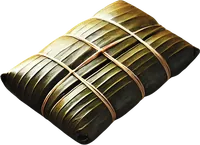
The hallaca (say “ah-YAH-kah”) is the star of the Venezuelan Christmas: corn dough filled with a rich stew, wrapped in plantain leaves and tied with string. Families make dozens at a time on an assembly line: someone cleans the leaves, someone spreads the dough, someone adds the filling, someone decorates, and the real experts tie them up. Every family swears theirs are the best.
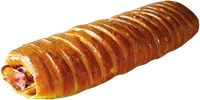
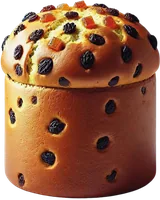
Venezuelans celebrate on the night of December 24. The table holds hallacas, pan de jamón (bread rolled with ham, olives and raisins), ensalada de gallina (a chicken and potato salad), roast pork leg or glazed ham, and dulce de lechosa, candied green papaya, for dessert. To toast, ponche crema, a creamy eggnog. And there’s always a panettone somewhere.
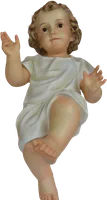
In Venezuela, presents come from el Niño Jesús, Baby Jesus, rather than Santa. Kids write him a letter, and on the night of the 24th the gifts appear at the foot of the nativity scene in some homes, and under the tree in others. Staying awake to catch him is part of the fun.
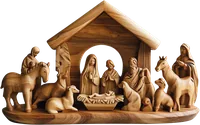
December arrives with joy, string lights and an arbolito, a Christmas tree. In a special corner, families set up the nacimiento, or pesebre, a nativity scene with Baby Jesus, Mary, Joseph, shepherds, animals and the Three Kings.
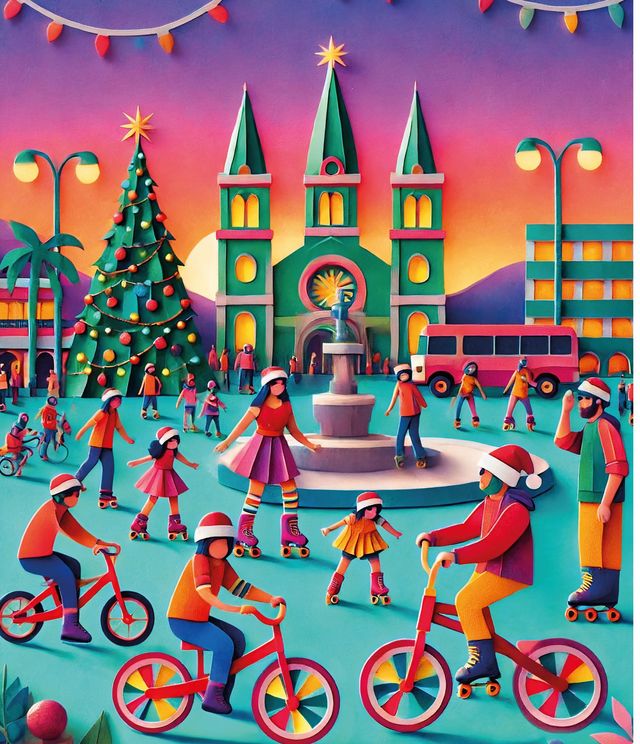
From December 16 to 24, churches hold misas de aguinaldo, very early morning masses. In Caracas, kids and grown-ups used to roller-skate through the streets before sunrise on their way: these were the patinatas. Our book has a patinata page where you find 10 differences.
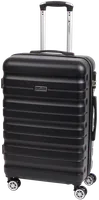
At midnight, Venezuelans eat twelve grapes, one for each chime of the clock, and make a wish with each one. Some walk around the block with a suitcase so the new year brings travel, and some climb onto a chair to welcome the year. Happy little superstitions everyone keeps.
A LITTLE CHRISTMAS GAME
The rhyme on this page begins: “There is nothing like Christmas, the most special time of the year.”
Move the magnifying glass over the book’s Christmas scene and find these three:
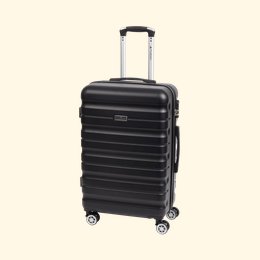 The suitcase
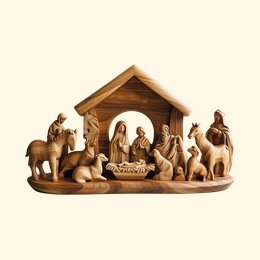 The nativity scene
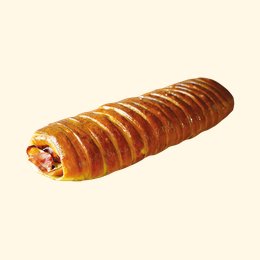 Pan de jamón
Put your finger on the scene and move the magnifying glass.
There are 9 more hidden objects in the book’s Christmas scene, and more than 250 seek-and-find games in the whole book.
THE CHRISTMAS GIFT
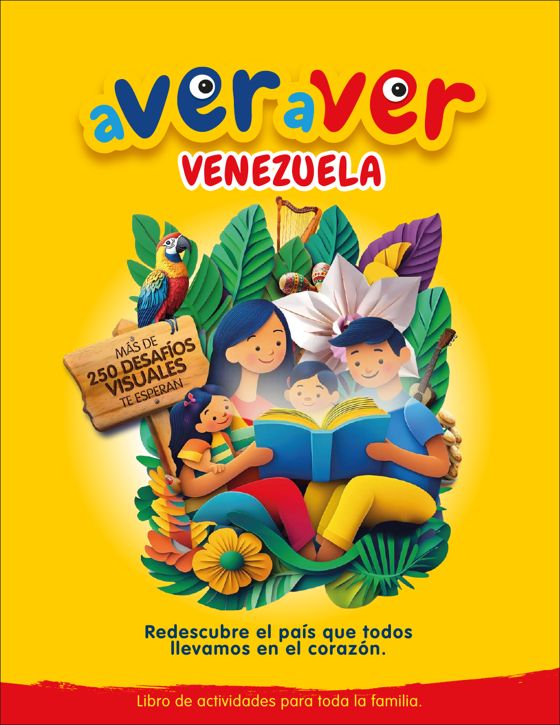
A Ver, A Ver, Venezuela is a seek-and-find book with more than 250 games set in scenes of everyday Venezuelan life: the bakery, the corner kiosk, the town square and, of course, Christmas. Kids search for the hidden objects while parents and grandparents recognize the places of their childhood and start telling stories.
“A wonderful way to connect parents and kids through play. What a gift.”Verified purchase on Amazon · translated from Spanish
Sending it to another country? Buy it from the Amazon store closest to where it is going. For example, from the US to Spain, order on Amazon Spain. Check the delivery date Amazon shows you and order early so it arrives before the 24th.
ASK AWAY
How is Christmas celebrated in Venezuela?With the whole family. In December, families put up the tree and the nativity scene, play gaita music and make hallacas together. On the night of December 24 they share a big dinner and Baby Jesus brings the presents. On New Year’s Eve, everyone eats twelve grapes at midnight, one per chime, and makes a wish with each.
What do Venezuelans eat at Christmas?Hallacas (corn dough filled with stew and wrapped in plantain leaves), pan de jamón (bread rolled with ham, olives and raisins), ensalada de gallina (chicken and potato salad), roast pork leg or glazed ham, and dulce de lechosa (candied green papaya). They toast with ponche crema, a creamy eggnog. And there’s always a panettone somewhere.
 Who brings Christmas presents in Venezuela?
El Niño Jesús, Baby Jesus. Children write him a letter, and on the night of December 24 the presents appear at the foot of the nativity scene in some homes, and under the tree in others.
What is a patinata?A tradition from years past, especially in Caracas: kids and grown-ups roller-skated through the streets early in the morning during the days of the dawn masses, the misas de aguinaldo. A Ver, A Ver, Venezuela has a patinata page where you find 10 differences.
 What is a good Christmas gift for a Venezuelan family?
Something that brings them together and reminds them of home. A Ver, A Ver, Venezuela is a seek-and-find book with more than 250 games set in Venezuelan scenes, including Christmas. Kids search and grown-ups remember. It is for the whole family, ages 3 and up, and costs $17.99 on Amazon in the US. You do not need to know Venezuela to give it: the family will tell you the stories.
 Is the book in English?
It is in Spanish. The games are visual, though, so children who speak little or no Spanish can play, and it is a lovely way to read to kids in Spanish.
Will it arrive by Christmas?That depends on Amazon and on the destination. Check the delivery date Amazon shows before you buy and order early. If it is going to another country, order from that country’s Amazon store or the closest one that delivers there.
Does the book have a Christmas page?Two of them. La Navidad, a hidden-object scene with 12 things to find, such as the hallaca, the pan de jamón, Baby Jesus and the suitcase, and la patinata, a spot-the-difference page with 10 differences.